

English
Language
  • English
  • español
CTIS
“

An initiative whose joint mission is to restore the affected territories in Colombia, acting as an engine of growth for the regions. Rebuilding is not just erecting walls, it's restoring hope.

”
Collaboration and Development Ecosystem
Affected Community
Communities

We Are Here to Help

We know that rebuilding goes beyond putting up walls; it means restoring homes, safety, and peace of mind for your family. You deserve to be heard with empathy and supported through immediate action. Through our platform, you can report the most urgent issues affecting your community.

Private Company
Businesses

Invest with Purpose

Recovering a territory also requires investment, knowledge, and the ability to deliver. Companies, construction firms, suppliers, financial institutions, insurers, and business organizations can contribute resources, technology, jobs, and tangible solutions.

Public Institution
Institutions

Let’s Join Forces

Public institutions can coordinate efforts and turn local priorities into concrete action. National, departmental, and municipal governments, emergency response agencies, and oversight bodies can allocate resources efficiently.

Academia
Academia

Share Your Perspective

Building back better requires understanding risks and anticipating future challenges. Universities, research centers, and experts in engineering, urban planning, economics, health, and social sciences can contribute knowledge and technical support.

Selection, Screening, and Profiling of the Affected Population

Through the Salud Masin Healthcare Provider’s Well-being Program, we engage with people affected by the August 10 disaster in Colombia’s Pacific region to understand their actual circumstances, priorities, and needs. We develop a human, social, and territorial assessment to help design practical, context-specific solutions.

Identification
Identification and Selection of the Population

This first step engages directly with the population affected by the disaster to determine precisely who requires assistance. It is essential to ensure that reconstruction efforts reach the right people and communities in the affected area.

Screening
Screening of Physical, Social, and Well-being Conditions

This involves an initial review of the affected population’s physical, emotional, and community well-being. Since the guiding principle of this phase is that “people are at the center,” it is essential to understand firsthand how the event affected their overall well-being and social dynamics.

Profiling
Profiling Individual and Family Needs

This step provides a more detailed understanding of people’s actual circumstances, priorities, and needs. It moves from a general overview to an individual assessment, documenting what each person and their immediate family require to cope with the crisis.

Vulnerability
Identifying Vulnerability Factors

This step identifies additional risk factors that place certain people in more urgent or vulnerable situations. Given the alarming figures—more than 19,000 homes and 1,172 healthcare facilities affected—it is crucial to identify those who were left most exposed.

Consolidation
Consolidating Local Data and Prioritizing Needs

This analytical step concludes the first phase. All collected data—including screening results, individual needs, and vulnerabilities—are brought together to create a clear assessment that supports practical solutions and identifies the issues requiring the most urgent attention.

Coordination Phase

Strategic
Connection Engine

We connect key development stakeholders so they can work toward a shared goal. In this way, local needs become social transformation initiatives.

Academia
Click here
Businesses
Click here
Institutions
Click here
×
Title
Node description...
Reconstruction Map | August 10, 2026 Earthquake
🇨🇴

Reconstruction in Colombia

August 10, 2026 Earthquake · Situation Report and Needs

📍 Affected Departments

Priority departments (9) No departmental breakdown available Selected

Colombia

Select a department on the map

National overview and main recovery measures following the August 10, 2026 earthquake.

  • Overview: 778.281 people affected; 51.778 homes destroyed and 203.301 damaged.
  • Response: 6.429 tons of aid delivered and 267 temporary shelters reported.
  • Housing: target of 4.700 urban housing solutions, 1.070 rural and upgrades for 19.000 homes; COP 1.7 trillion in public funding was announced.
  • Next phase: target of 20.000 new homes by 2028–2029. El PAE 2026–2030 covers housing, education, healthcare, water, infrastructure, and livelihoods.
  • Education: 5.309 schools affected; 547 require complete reconstruction. Departmental data are partial and do not add up to the national total.
203.301
Damaged homes (national)
4.238
People injured (national)
358
Deaths (national)

STORIES BEHIND THE NUMBERS

STORIES BEHIND THE NUMBERS

+0

People
Affected

+0

Infrastructure
Damaged

0

Municipalities
Affected

0

Homes
Destroyed

Source: National Unit for Disaster Risk Management [@UNGRD]. (October 10, 2026). Updated figures | Earthquake in San José del Palmar, Chocó, August 10 (7.4 Mw) [Post]. X.

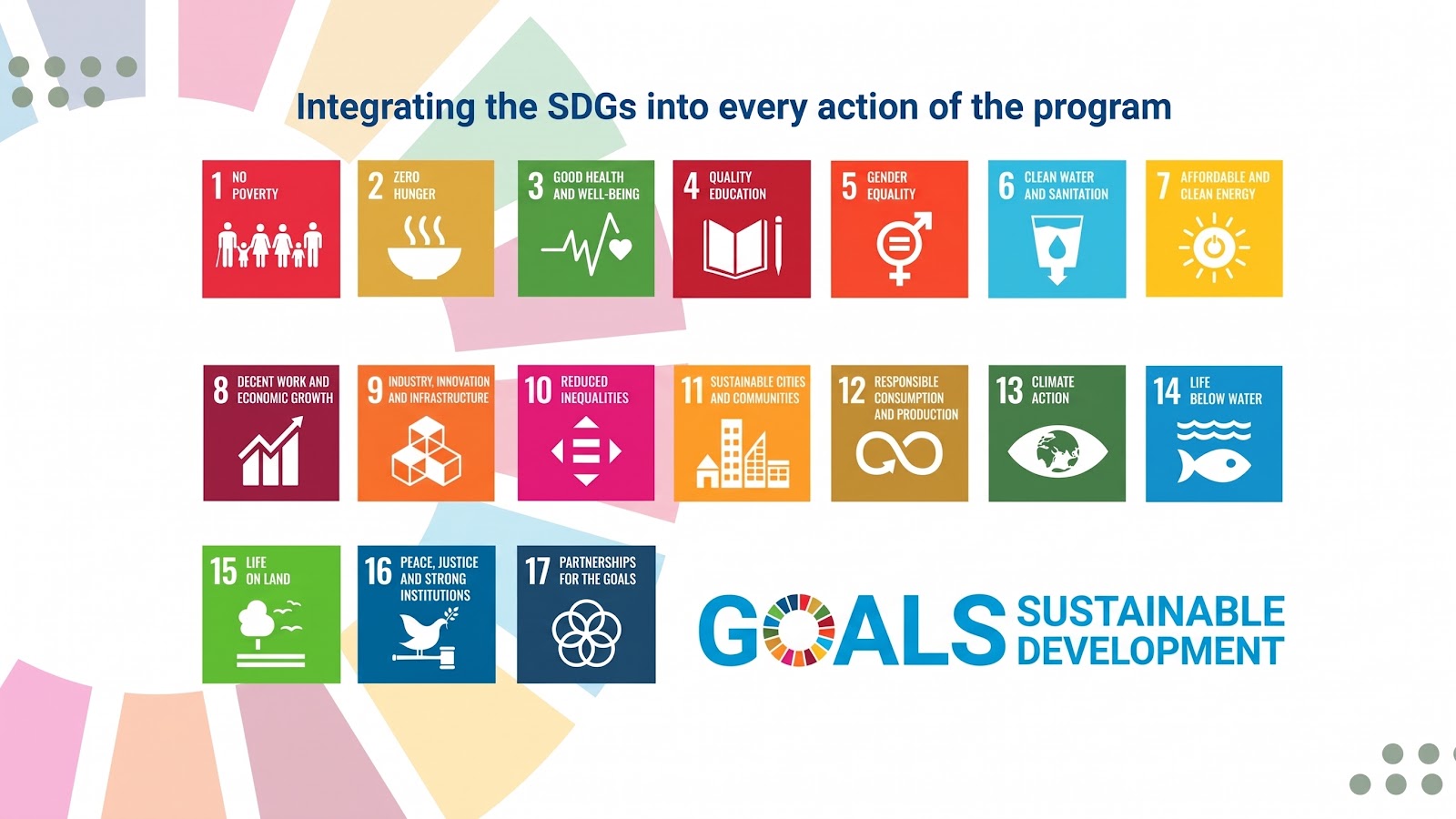
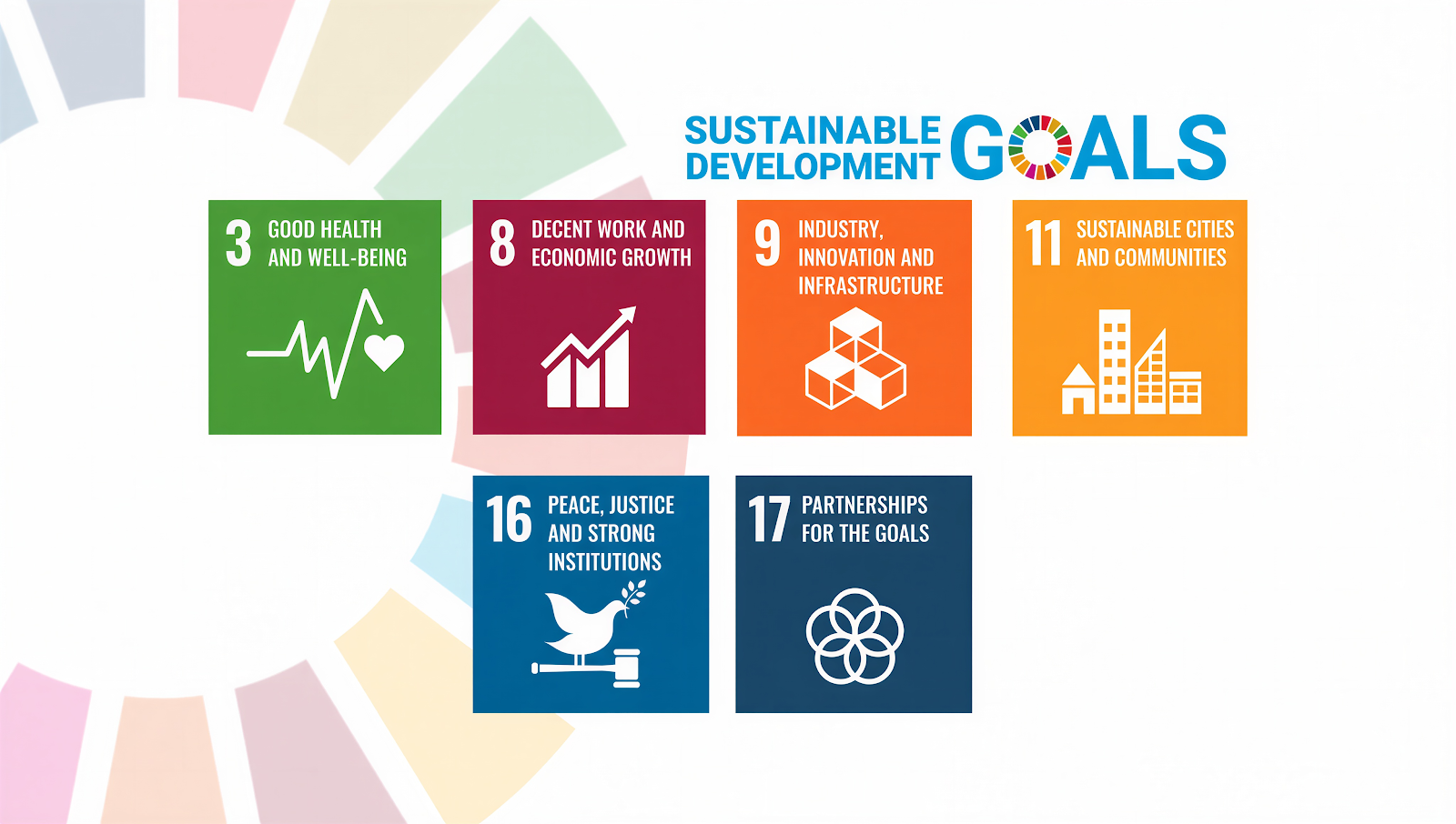
SDG Front
SDG Back
Good Health and Well-Being×
Rehabilitation of the 348 collapsed health centers and psychological care for victims.
Decent Work and Economic Growth+
Promote decent work and sustainable tourism for global development.
Industry, Innovation and Infrastructure+
Reconstruction of roads, bridges, and connectivity to reactivate local production.
Sustainable Cities and Communities+
Development of housing and resilient infrastructure against natural disasters.
Peace, Justice and Strong Institutions+
Institutional strengthening and transparency in the execution of reconstruction resources.